Best Time to Visit Tanzania – General Travel Information
Best Time to Visit Tanzania
Tanzania is a year-round destination, but the best time to visit depends on the experience you are looking for. Wildlife viewing, the Great Migration, mountain trekking, beach holidays, and cultural travel all have different ideal seasons.
In general, the dry seasons from June to October and from late December to February are among the most popular periods for safari travel. During these months, wildlife is often easier to spot as animals gather around rivers and water sources, while roads and game-viewing conditions are generally favourable.
The greener months also offer their own advantages, including dramatic landscapes, fewer visitors in some areas, excellent birdlife, and beautiful photographic conditions.
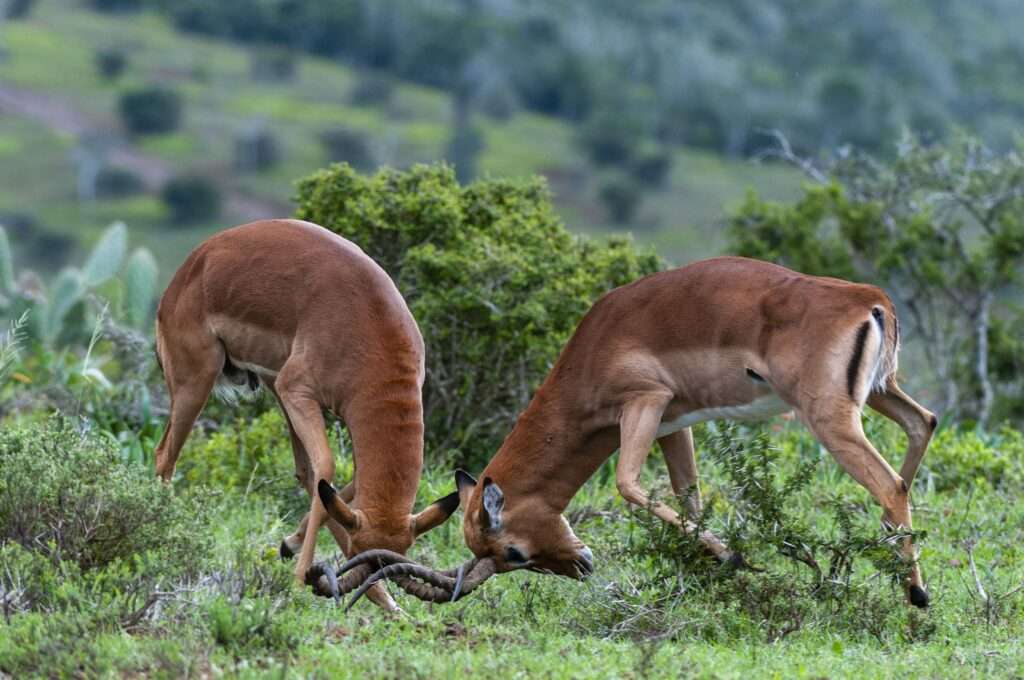
June to October – The Dry Season
This is one of the most popular times for a Tanzania safari.
The weather is generally dry and comfortable, vegetation becomes thinner, and animals often gather near permanent water sources, making wildlife easier to observe.
Why Visit
- Excellent general wildlife viewing
- Comfortable safari temperatures
- Less vegetation around wildlife areas
- Good road conditions in most parks
- Popular period for Serengeti migration experiences
This period is especially suitable for destinations such as Serengeti, Ngorongoro, Tarangire, and Lake Manyara.
Because it is a popular travel season, lodges and camps can fill quickly, so booking well in advance is recommended.
January to February – Warm, Dry and Excellent for Wildlife
January and February are another excellent period for travelling in northern Tanzania.
The landscape remains relatively dry, temperatures are warm, and wildlife viewing is generally very good.
In the southern Serengeti and Ndutu areas, this period is particularly known for the Great Migration calving season, when large herds of wildebeest gather on the short-grass plains.
Why Visit
- Great wildlife viewing
- Wildebeest calving season
- Excellent predator activity
- Warm weather
- Good conditions for safari photography
This is a particularly rewarding time for travellers interested in the Great Migration.
March to May – The Green Season
March through May generally brings Tanzania’s main rainy season.
Rainfall transforms the landscape into rich green scenery, and many parks become quieter than during the peak dry months.
Rain does not necessarily fall throughout the entire day, but heavier showers can affect roads and travel conditions, particularly in more remote areas.
Why Visit
- Green and beautiful landscapes
- Fewer visitors in many safari areas
- Excellent birdwatching
- Dramatic photography conditions
- A quieter safari atmosphere
Some camps may close temporarily during periods of heavier rain, so itinerary planning is particularly important during this season.
November to Mid-December – The Short Rains
November and early December often bring shorter periods of rainfall.
The rains usually refresh the landscape without creating the same level of disruption sometimes associated with the main rainy season.
It can be an attractive period for visitors looking for wildlife, greener scenery, and fewer crowds.
Why Visit
- Fresh green landscapes
- Good wildlife viewing
- Excellent birdlife
- Generally fewer travellers than peak season
- Attractive photography conditions
Weather patterns can vary from year to year, so flexibility is helpful.
Best Time for the Great Migration
The Great Wildebeest Migration is a continuous natural movement through the Serengeti-Mara ecosystem rather than an event that takes place on one fixed date.
Where the herds are found depends largely on rainfall and grazing conditions.
January – March
Southern Serengeti & Ndutu
This is usually associated with the calving season, when large numbers of wildebeest gather on the southern plains.
April – May
Central and Western Serengeti
The herds generally begin moving north and west as seasonal conditions change.
June – July
Western and Northern Serengeti
Migration movement continues northward, with river crossings possible in some areas.
July – October
Northern Serengeti
This period is often associated with dramatic river-crossing opportunities in northern Serengeti and the wider Mara ecosystem.
November – December
Moving South
As the seasonal rains return, the herds generally begin moving back toward the southern Serengeti.
Because wildlife movements are influenced by natural conditions, exact migration locations and river crossings can never be guaranteed.
Best Time to Visit Serengeti
The Serengeti offers excellent wildlife viewing throughout the year.
June to October is particularly popular for dry-season wildlife viewing, while January to March is ideal for travellers interested in the migration calving season in the southern ecosystem.
The best area of the Serengeti to visit changes throughout the year, which is why choosing the right camp location is an important part of safari planning.
Best Time to Visit Ngorongoro
The Ngorongoro Conservation Area can be visited throughout the year.
Wildlife remains within and around the crater throughout the seasons, making it one of Tanzania’s most reliable wildlife destinations.
June – October
Drier conditions and excellent wildlife viewing.
November – May
Greener scenery, dramatic landscapes, and excellent birdlife.
Cool mornings are common around the crater rim, especially during the dry season.
Best Time to Visit Tarangire
Tarangire is particularly rewarding during the June to October dry season.
As surrounding areas become drier, animals concentrate around the Tarangire River and other permanent water sources.
Large numbers of elephants are one of the park’s major attractions during this period.
The green season offers lush landscapes, fewer visitors, and particularly good birdwatching.
Best Time to Climb Mount Kilimanjaro
The most popular trekking periods are generally:
January to early March
and
June to October
These periods tend to offer more stable trekking conditions and lower rainfall.
However, weather on Kilimanjaro can change rapidly regardless of season due to the mountain’s altitude and varied climate zones.
For summit success, route selection and sufficient acclimatization time are often just as important as choosing the travel month.
Best Time to Visit Zanzibar
Zanzibar is a year-round tropical destination, although certain months are particularly popular for beach holidays.
June – October
Generally dry, pleasant conditions and comfortable temperatures.
December – February
Warm, sunny weather ideal for beach holidays and safari-and-Zanzibar combinations.
March – May
This is generally the wetter period, with increased rainfall and humidity.
For travellers combining safari and beach, June to October and January to February provide particularly convenient combinations.
Tanzania Seasons at a Glance
| Period | General Conditions | Best For |
|---|---|---|
| Jan – Feb | Warm and relatively dry | Calving season, safari, Zanzibar |
| Mar – May | Main rains, green landscapes | Birdlife, scenery, quieter travel |
| Jun – Oct | Dry season | Wildlife safaris, trekking, migration |
| Nov – mid-Dec | Short rains | Green scenery, birdlife, fewer crowds |
| Late Dec | Warmer and generally favourable | Safari and beach holidays |
So, When Is the Best Time to Visit Tanzania?
For a classic wildlife safari, June to October is an excellent choice.
For the Serengeti calving season, consider January to March.
For Mount Kilimanjaro trekking, January–March and June–October are popular periods.
For a safari and Zanzibar beach combination, June–October or January–February works particularly well.
For travellers who prefer green landscapes and fewer visitors, the shoulder and green seasons can offer a very different but equally rewarding experience.
Plan Around What You Want to Experience
There is no single perfect month for every Tanzania journey. The best travel dates depend on the wildlife, destinations, activities, and style of safari you have in mind.
Tell us when you would like to travel, and Vanchellia Expeditions can help you choose the destinations and safari route that best match the season.